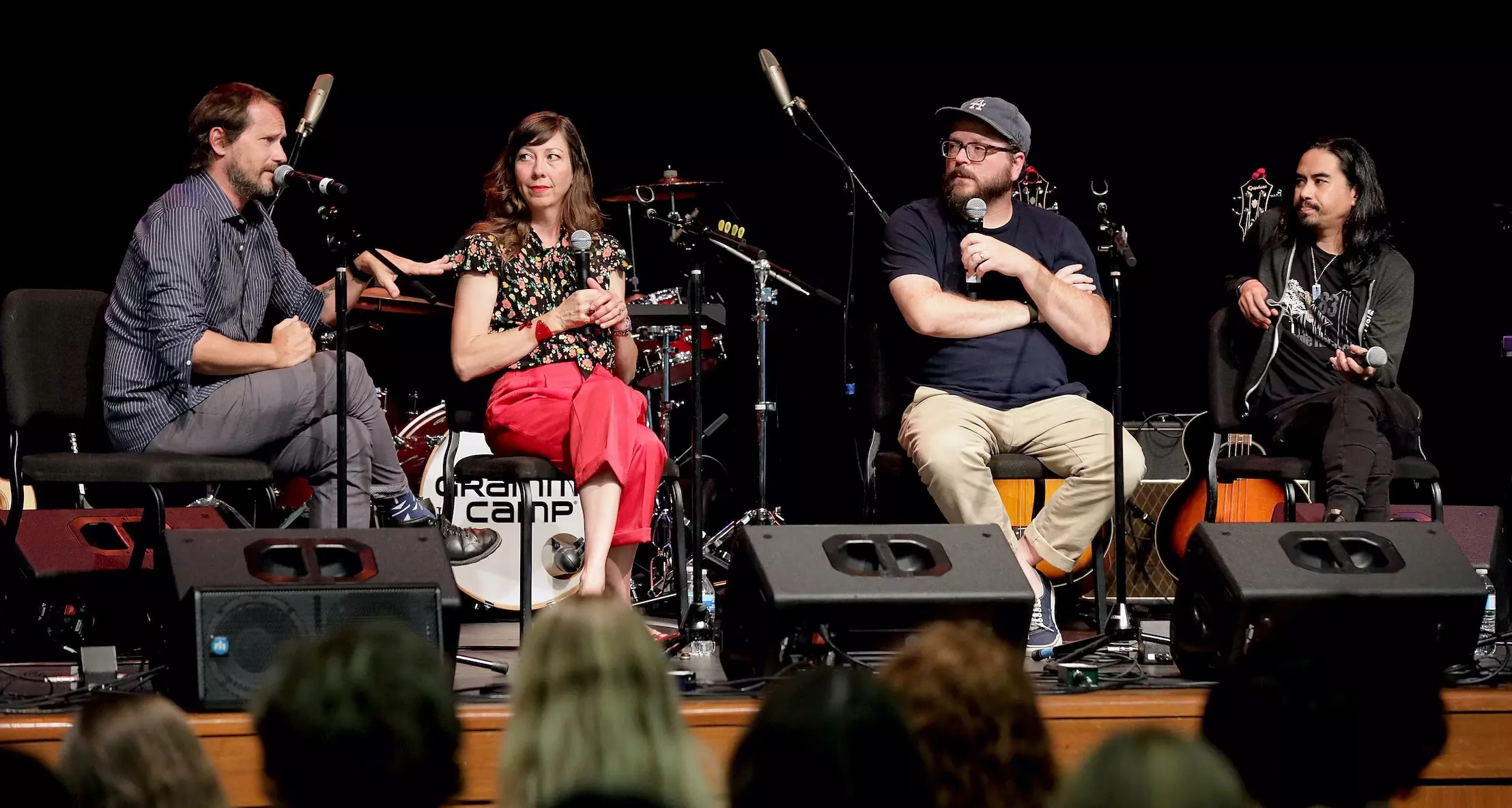
On day three of 2022 GRAMMY Camp at University of Southern California — the first in-person session since 2019 — Los Angeles alt-rock band Silversun Pickups visited the students to offer insight from their 22 years in the music industry.
They discussed the ebbs and flows of their journey, took questions from the students, and played an acoustic set. The questions were thoughtful and wide-ranging, asking about how they've stayed friends while working together and how L.A. influenced their career.
Read on for four things we learned about and from the "Lazy Eye" band.
You Don't Need It All Figured Out To Start
The band revealed they had no idea what they were doing in the beginning — all they knew was that they wanted to make music and play shows. They got their first gig at a festival run by a New York college radio station after bassist Nikki Monninger sent in a very lo-fi tape she recorded at one of their practice sessions. They ran into an East Los Angeles venue booker there, who offered them their second gig, beginning a run of several years playing the time slots no one else wanted to — joking that they'd play bars when they weren't even open. They were eager to play, even though they were still figuring out their sound and their identity as a band.
Monninger affirms that these early shows really helped them find cohesion as a band, which made them feel prepared for the bigger opportunities that would come later. As they began to grow a local following, they realized people were passing around bootlegs of their sets, because they didn't have anything to sell themselves — so maybe it was time to record some music and make a band tee to sell at shows. "We were just thinking about the music first," Monninger said.
Once they found themselves in a recording studio, it took them time to figure out how to translate the emotion and energy of their live sets to a record. The first of many great questions from the audience, one student asked if their transition into the studio as a live act was weird. "Yes!" frontman Brian Aubert exclaimed. "It took a lot to make the recording sound like how we felt when we play."
Similarly to their journey to sound good live, the recording process also took a lot of learning and trying and failing and trying again. An essential part of the equation was finding producers who really knew their craft, to help them learn the tricks of the trade as well. For their last album, 2019's Widow's Weeds, they linked up with legendary Nirvana and Garbage producer, GRAMMY winner Butch Vig, which they felt really brought their sound to the next level.
If You Need To Make Art, Make It — Whether Or Not It Makes You Money
Aubert recommended that if you're a creative person "that needs to get this stuff out of you," to find a way to act on your creativity — without having to depend on it to support you at first. He said it helps to compartmentalize your art and how you make money, so there isn't intense pressure to make art that is financially successful, as that can be very creatively stifling.
"We thought we were successful when it didn't cost us anything to be in a band. It just kinda happened," he said. Monninger added, "Try to create your life where you don't have debt. We weren't living large, we were just trying to be in a band and make music."
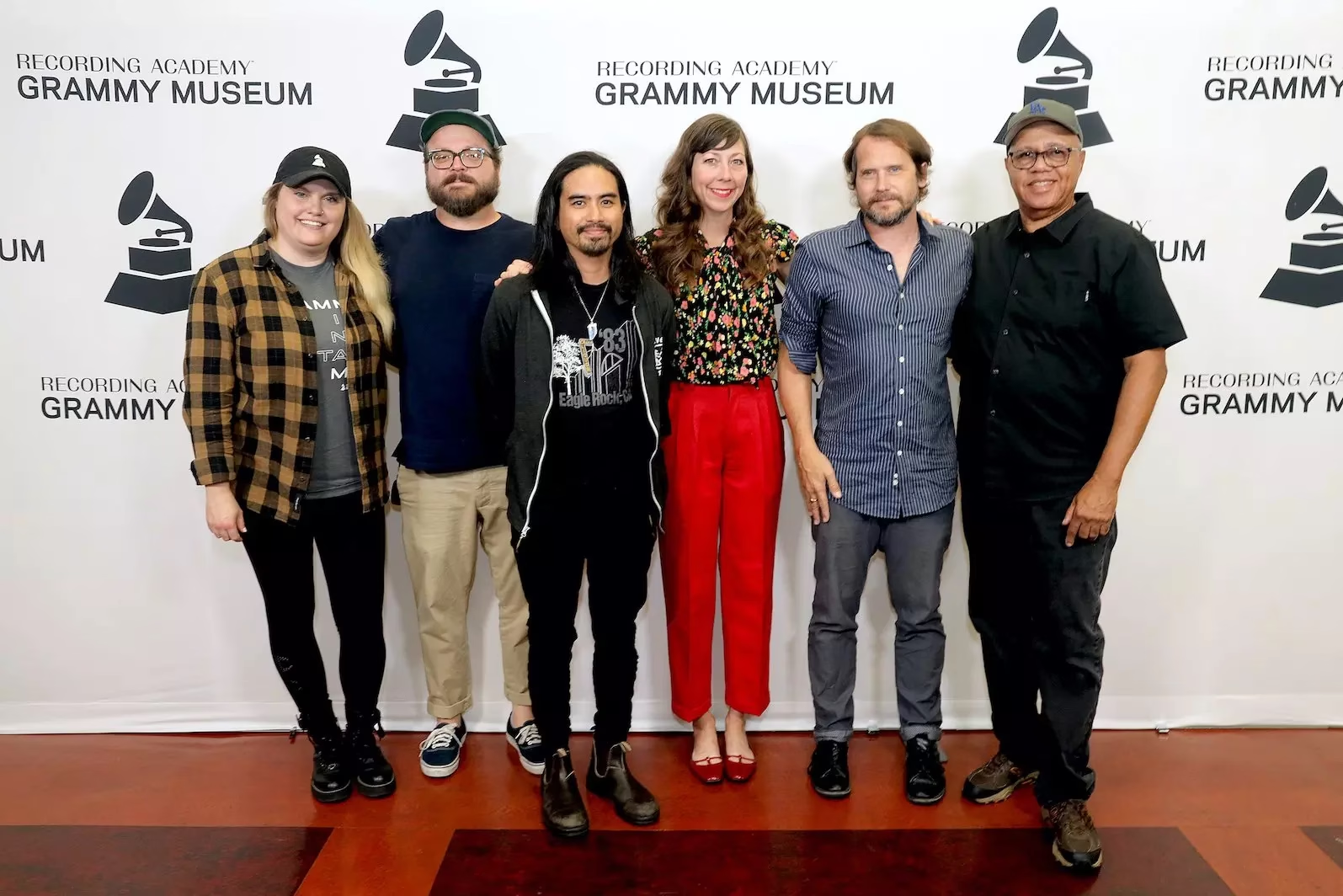
L-R: Julie Mutnansky (Senior Manager of Education, GRAMMY Museum), Silversun Pickups, David Sears (VP of Education, GRAMMY Museum) **Photo:** Courtesy of the Recording Academy™️/ Rebecca Sapp, Getty Images© 2022
It Pays Off To Work With People You Really Like
Another student asked about how they were able to stay friends once they began working together. Drummer Christopher Guanlao, who joined the band two years into their journey, said it was because they were friends before, and were always hanging out — to the point that, by the time he replaced their first drummer, he knew all the songs.
Aubert added that they only worked with people that they liked, and that it's very important to really support each as a collective unit. Letting egos get in the way and blaming issues on one bandmate and threatening to fire them will only wreak havoc. As a band, you're in it together. "You're supposed to be together there to help each other," the frontman said.
Not only has the band maintained a strong bond among its four longtime members, but they've built a strong and tight creative circle around them as well — stemming from their early days, when Silver Lake was more affordable and had a rich creative community. Aubert joked they're like a tumbleweed, picking up people they really like and trust to work with them along the way.
Above All, Follow Your Heart — As Cliché As It May Sound
To close out the GRAMMY Camp guest artist session, Aubert and Monninger delivered a captivating acoustic set. But before the band could pick up and leave, there were a few more great questions — this time from Ally Matheson, a student on the music journalism GRAMMY Camp track.
During their on-camera interview, Matheson asked the band to share more about how L.A. has influenced their sound and career (They wouldn't be the band they are today without the rich early aughts L.A. creative scene, as they suggested.) She also asked them for their advice for young musicians.
With a smile, Aubert said that the best advice is to not take others' advice. He explained that even if people don't seem to understand or connect with your music — but you are making something that really moves you and is coming from your heart — you will find others who also connect with it as you do. If you believe in your work and stick with it, the people who also believe in it, and find meaning in it, will find you.
Outside Lands 2022: Mitski Brings A Theatrical Loneliness To Thousands